Author: Ananya Soni
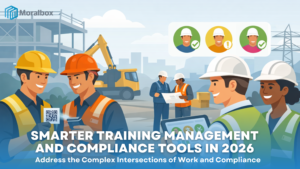
What to Expect from Smarter Training Management and Compliance Tools in 2026
/Why 2025 was just the beginning of a structural shift towards smarter training management and compliance tools in 2026. In 2025, most organisations reached the same hard understanding: compliance training alone is not enough. Companies have invested in LMS platforms, compliance modules, and even AI-based personalisation. However, the gap between training delivery and real organisational competence […]
Read more »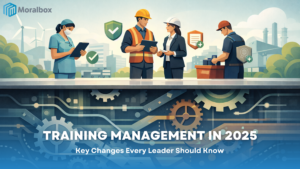
Training Management in 2025 Review:Key Changes Every Leader Should Know
/Introduction: The Problem Was Never Compliance For much of the last decade, organisations believed they had a compliance problem. But let’s explore what training management and compliance will look like in 2025. Audits were stressful, gathering evidence took time, and findings often repeated the same points. Regulators asked harder questions, and incidents continued to surface […]
Read more »
ISO 9001 in Practice: A Modern Guide to Audit-Ready Quality Management
/ISO 9001 remains one of the most widely adopted management system standards worldwide. Yet despite its maturity, organisations continue to struggle with audits, surveillance reviews and sustained compliance. The issue is rarely a lack of intent or policy. More often, it is a failure to translate the standard’s requirements into operational control that stands up […]
Read more »
Construction Safety, Training and Competence: Why Visibility Is the Control the Industry Is Missing
/Introduction: a scenario most construction leaders recognise A site team fully mobilises the project. Supervisors approve RAMS, complete inductions and file training records. Supervisors assume competence because everyone “has the tickets”. However, midway through the project, a near miss occurs involving plant operation outside a worker’s usual scope. When the principal contractor later requests evidence […]
Read more »
Lessons from UK Workplace Incidents: Are Training Gaps the Real Cause?
/The UK continues to face a scale of workplace harm that should trouble any business leader. The latest data shows that, despite decades of regulation, organisations continue to injure workers, drive stress-related harm and leave employees with chronic health conditions. Ultimately, these outcomes are not random. Crucially, they follow patterns that point to deeper organisational […]
Read more »
How Training Needs Analysis Prevents Compliance Surprises Before Audits
/Why Audit Surprises Happen in the First Place A comprehensive training needs analysis for compliance can help prevent audits from failing. Audits rarely fail due to a single dramatic oversight. They fail because of accumulated small gaps that go unnoticed until the external review begins. On the morning of an audit, those gaps suddenly become […]
Read more »
Why Corporate Training Fails: The Science Behind Poor Retention and How to Fix It
/Introduction Training completion rates are high in most organisations. Employees click through modules, pass end-of-course quizzes and appear fully compliant in the LMS. Yet when real decisions need to be made, critical steps are often forgotten, mistakes are repeated, and procedures break down. The training may be “completed”, but the learning has not had enough […]
Read more »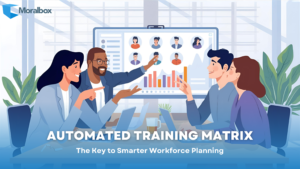
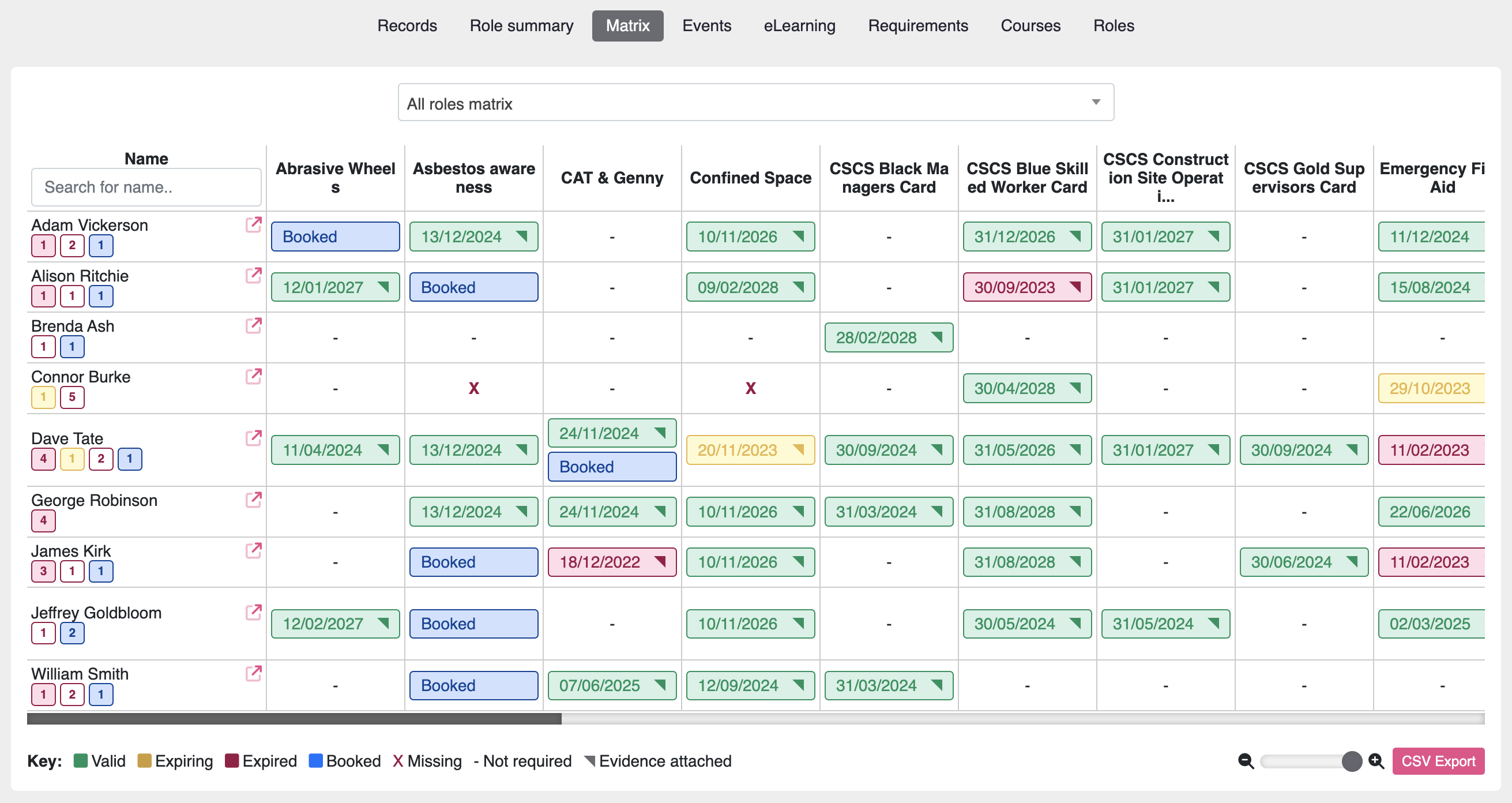
Automated Training Matrix: The Key to Smarter Workforce Planning
/Introduction Walk into most organisations today and you will hear the same concerns about training systems expressed in different words: the need for an effective automated training matrix. “We know there are skill gaps, but we cannot see them clearly.” “Training happens constantly, yet critical roles still feel under-resourced.” “We do not know who can […]
Read more »
Leadership Styles Explained: Types, Behaviours and How to Choose the Right Approach
/Introduction Think back to the last time your team faced a problem that didn’t have a clear answer, maybe a project veering off course, a conflict no one wanted to address, or a goal that suddenly felt out of reach. In that moment, considering different leadership styles, did you step in and take charge, pause […]
Read more »
LMS vs TMS vs CMS Explained: Understanding the Differences and Why They Matter
/A Familiar Struggle Imagine you are the L&D manager of a growing organisation. You have just received an urgent email from Operations saying a technician cannot start work because their safety certificate has expired. The training team insists the refresher was completed last month, but HR’s spreadsheet says otherwise. You open the tracker, scroll through […]
Read more »
How to Avoid Workplace Injury: Protect Lives and Prevent Claims
/Introduction: Understanding How to Avoid Workplace Injury Every morning, workers across the country start their day expecting to return home safe. Yet sometimes, ordinary routines turn into life-altering moments. Understanding how to avoid workplace injury is crucial, as most workplace tragedies don’t begin with reckless acts or freak accidents; they begin with small oversights like […]
Read more »
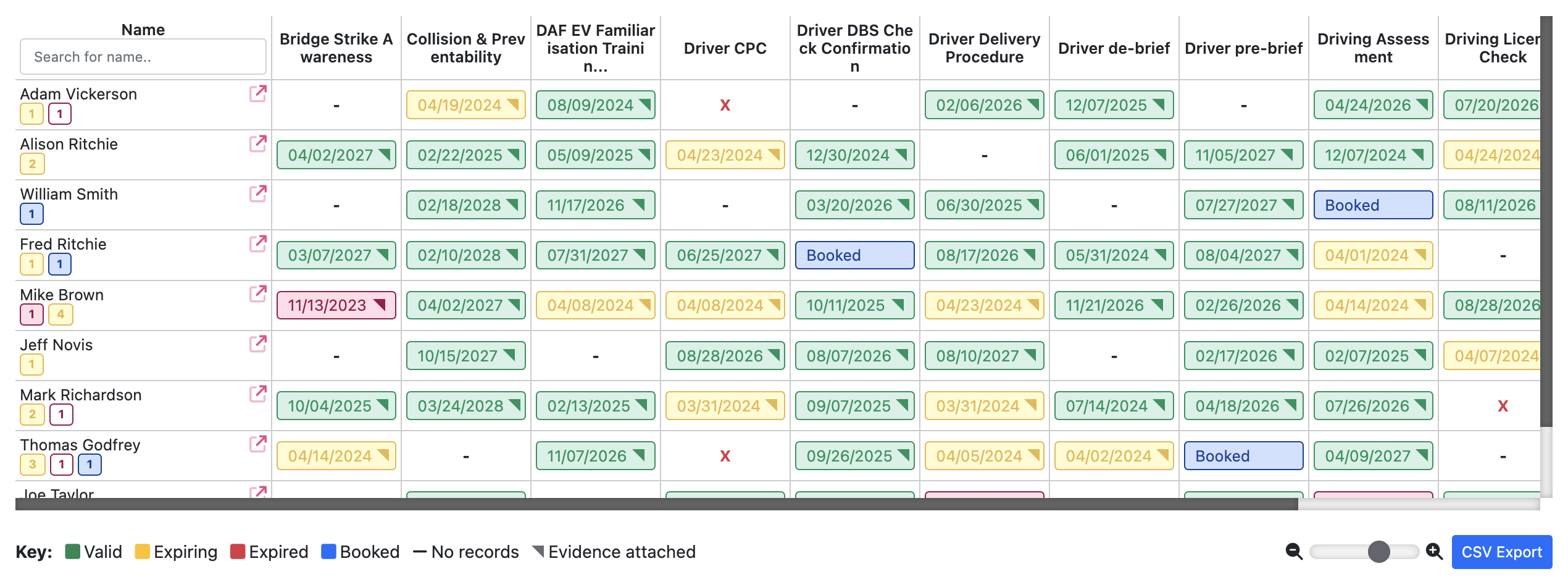
Training Matrix vs Spreadsheets: Why Spreadsheets Fail at Managing Training and Compliance
/A Familiar Scene: Choosing Between Training Matrix vs Spreadsheets Imagine this: you’re deciding between a training matrix vs a spreadsheet for managing your team’s skills and development. It’s Monday morning, and the training manager opens a spreadsheet to check which employees’ certifications are due for renewal. Among hundreds of rows, one line suddenly catches attention, […]
Read more »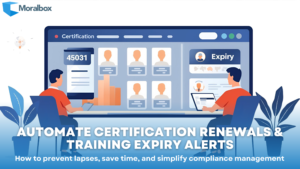
How to Automate Certification Renewals & Training Expiry Alerts
/A Costly Monday Morning It is Monday morning at a busy construction site. The team has prepared everything, completed the equipment checks, and is waiting for the client to begin the work. Suddenly, a site supervisor discovers that certification renewals for the safety cards of two crane operators have expired over the weekend. Within minutes, […]
Read more »
The Hidden Costs of Expired Certifications: How Much Risk Are You Ignoring?
/A familiar Monday morning, until it isn’t It is Monday morning. You arrive at the site, and the tools and team are in place; everyone is ready to work. The client is waiting. Suddenly, a message appears about expired certifications. A key team member’s expired certification poses a risk that brings everything to a standstill. […]
Read more »
Cognitive Learning Theories: Complete Guide with Principles, Examples & Templates (2025)
/Introduction Imagine a classroom where the teacher doesn’t just recite facts but instead uses discussions, problem-solving, and real-world scenarios. Instead of memorising dates and definitions, you’re encouraged to understand how knowledge works, why you remember certain things, and what strategies help you learn better. This is the power of cognitive learning theories. Unlike behaviourism, which focuses mainly on external actions, or constructivism, […]
Read more »
Competency-Based Assessment (CBA): Complete 2025 Guide with Examples, Templates & Tools
/Introduction Imagine a hospital that certifies its nurses not through theory exams but by observing their ability to insert IV lines, respond to emergencies, and communicate clearly with patients. This is the essence of Competency-Based Assessment (CBA), which involves shifting from what people know to how well they can apply knowledge, skills, and behaviours in real-world settings. However, as […]
Read more »
Virtual Learning Environment (VLE): Complete Guide for 2025
/Picture this: It’s your first week at university. Instead of juggling paper handouts and notes, you log into one online space where lecture slides, recordings, discussion boards, assignments, grades and everything is neatly organised and accessible from your laptop or phone. This is the power of a Virtual Learning Environment (VLE). Today, VLEs are more […]
Read more »
What Is the Biggest Cause of Workplace Injury? And How SMEs Can Stay Ahead of Claims
/A Strange Paradox in Workplace Injuries Workplace accidents in Britain have been steadily falling for over a decade. Safety equipment is better, awareness is higher, and training is more widespread. However, despite these improvements, identifying and addressing the biggest cause of workplace injury remains a priority. So, why then does AXA’s Compensation Culture: Workplace Injury […]
Read more »